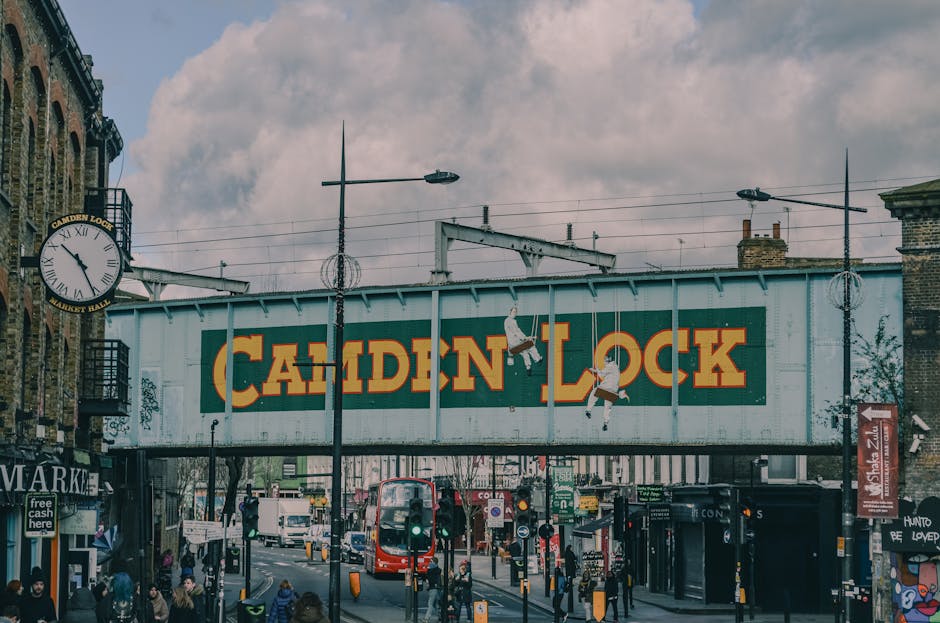
Camden Town Flat Cleaning Guide for Renters in NW1
If you rent in Camden Town, you already know the flat can get messy faster than you expect. One wet week, a bit of kitchen steam, shoes by the door, and suddenly everything feels less "cosy London base" and more "how did it get this bad so quickly?" This Camden Town flat cleaning guide for renters in NW1 is here to make the whole job simpler, calmer, and more manageable. Whether you are trying to protect a deposit, get ready for a move, or just reset your place after a busy month, the aim is the same: clean smart, not hard.
In a rented flat, cleaning is never just about appearances. It is about tenancy expectations, shared living habits, and those awkward last-minute checks before inspection day. Let's face it, nobody wants to be scrubbing an oven at 10pm with a kettle boiling in the background. So below you will find a practical, room-by-room approach, plus realistic advice for NW1 renters who want a better result without wasting time or money.
For readers who want help beyond the DIY route, it can also be useful to look at end of tenancy cleaning or a targeted deep cleaning service when the flat needs more than a quick tidy-up.
Table of Contents
- Why Camden Town flat cleaning guide for renters in NW1 matters
- How Camden Town flat cleaning guide for renters in NW1 works
- Key benefits and practical advantages
- Who this is for and when it makes sense
- Step-by-step guidance
- Expert tips for better results
- Common mistakes to avoid
- Tools, resources and recommendations
- Law, compliance, standards, or best practice
- Options, methods, or comparison table
- Case study or real-world example
- Practical checklist
- Conclusion
- Frequently asked questions
Why Camden Town flat cleaning guide for renters in NW1 Matters
Renting in Camden Town comes with its own rhythm. Flats are often compact, older, and busy with traffic from everyday life, whether that is one person working from home, two housemates sharing a galley kitchen, or a short-term arrangement with almost no storage. That means dirt builds up in specific places: around taps, in shower grout, under radiators, on skirting boards, and in the bits of the flat you only see when sunlight hits just right at 8 in the morning. Slightly rude, really.
Good cleaning matters because renters usually need more than a surface wipe. You need a place that feels fresh for you, and, when the time comes, a flat that meets the standard expected at the end of a tenancy. A proper clean can also help you notice maintenance issues early, like mould patches, limescale, damaged sealant, or carpet marks that might otherwise get blamed on everyday use. That matters whether you plan to stay for years or move out next month.
There is also a wellbeing angle. A clean kitchen and bedroom just feel better. They smell better too. Less stale air, fewer crumbs, less sticky stuff on the cooker handle. Small things, but they add up. And if you are living in NW1, where many rentals are high-use spaces rather than oversized family homes, small improvements go a long way.
Practical takeaway: in a rented Camden flat, the best cleaning strategy is usually a mix of regular upkeep, a targeted deep clean before inspections, and a more thorough move-out clean when the tenancy ends.
How Camden Town flat cleaning guide for renters in NW1 Works
The simplest way to think about flat cleaning is to split it into layers. You have the everyday reset, the deeper maintenance clean, and the move-out level clean. Each has a different purpose, and renters in Camden often need all three at different points.
1. Everyday reset cleaning keeps the flat liveable. That means wiping kitchen surfaces, dealing with bathroom moisture, vacuuming high-traffic areas, and doing the little jobs that prevent grime from settling in. This is the sort of cleaning that stops a place drifting into chaos.
2. Deep cleaning is more detailed. It targets built-up dirt, the edges, corners, behind appliances, and all the places you skip when you are tired. A deep clean is especially useful after a long winter, before hosting visitors, or when the flat has felt a bit neglected for a while. If your home is due a serious reset, a one-off cleaning visit can be a sensible middle ground.
3. End of tenancy cleaning is the most thorough level. This is where renters focus on the inventory standard, the condition of appliances, and those detail-heavy tasks that can influence deposit deductions. It typically includes kitchens, bathrooms, bedrooms, living areas, and often extras like oven cleaning, window cleaning, and fabric care where needed.
The work itself is usually best handled room by room, top to bottom. Dust first, then wipe, then vacuum or mop. If you clean floors before doing the shelves, you will just be doing double work. A classic mistake. A very human one, but still a mistake.
Key Benefits and Practical Advantages
There are good reasons renters in Camden keep a cleaning plan rather than waiting until things get visibly bad. It saves time, money, and a lot of stress later on.
- Better deposit protection: a well-cleaned flat is less likely to trigger avoidable deductions tied to cleanliness.
- Less last-minute panic: if inspection day lands during a busy week, you are not starting from zero.
- Healthier living conditions: regular cleaning reduces dust, damp smells, and food residue that can attract pests.
- Longer life for fixtures and furnishings: regular care helps carpets, upholstery, and appliances last longer.
- Stronger first impressions: useful if you are handing keys back, welcoming a landlord, or simply wanting the flat to feel sorted again.
- More control over costs: tackling minor issues early is usually cheaper than waiting for heavy build-up.
There is a quiet benefit too. A clean flat feels less mentally noisy. You open the door, the hallway smells fresh rather than musty, the sink is clear, and you can actually find the counter. It sounds small. It is small. But it changes the mood of the place.
Who This Is For and When It Makes Sense
This guide is for renters in NW1 who want a flat that stays under control without spending every weekend on chores. That includes long-term tenants, flat-sharers, students, young professionals, short-term renters, and anyone who has inherited a place that looked "fine" on day one but now has a personality of its own.
It makes sense in a few common situations:
- you are preparing for a mid-tenancy inspection;
- you are leaving and need a careful end-of-tenancy clean;
- you have just moved in and want a proper reset;
- you share with housemates and need a system that everyone can follow;
- you are dealing with recurring issues like limescale, crumbs, greasy cabinets, or dusty skirting boards;
- you need to freshen up carpets, sofas, mattresses, or curtains rather than replacing them.
If your flat is furnished, fabric care becomes more important than many renters expect. Sofas, mattresses, rugs, and upholstery hold onto odours and dust more than hard surfaces do. In those cases, specialist help such as sofa cleaning, mattress cleaning, or rug cleaning can make a noticeable difference.
Step-by-Step Guidance
Here is a practical way to clean a Camden Town flat without bouncing around the rooms randomly and losing momentum halfway through. That always happens, doesn't it?
1. Start with a quick reset
Pick up laundry, dishes, bins, shoes, and anything that does not belong on the surfaces you need to clean. Put loose items in baskets or bags so you can work properly. This part takes ten minutes and saves twenty. Sometimes more.
2. Open windows and improve airflow
Fresh air helps clear that closed-up flat smell, especially after cooking or a damp spell. In older NW1 properties, airflow can make a surprising difference while you clean.
3. Clean the kitchen first
The kitchen often needs the most attention. Focus on:
- hob and extractor hood;
- sink and taps;
- countertops and splashbacks;
- inside and outside of cupboards;
- fridge shelves and door seals;
- microwave, toaster area, and small appliance surfaces;
- oven, grill tray, and oven door glass.
If you are short on time, prioritise the oven and sink. Those two can make a flat look cleaner almost instantly. For stubborn build-up, professional oven cleaning is often worth it before move-out.
4. Tackle the bathroom with moisture in mind
Bathrooms in rented flats often show wear quickly because of condensation. Clean the toilet, basin, taps, mirror, tiles, shower screen, and sealant. Remove soap residue and wipe around the edges of the bath or shower tray. If there is limescale, go slowly and avoid scratching surfaces.
5. Move into the living room and bedrooms
Dust high points first: shelves, picture frames, light switches, skirting boards, window ledges, and radiator tops. Then vacuum upholstery and floors. If your sofa has visible marks or smells a bit "lived in," that is usually a sign it needs more than a surface wipe.
6. Deal with floors properly
Hard floors should be vacuumed before mopping. Carpets should be vacuumed slowly in overlapping lines, especially near doors and under beds. A rushed vacuum looks busy but misses the fine dust that tends to cling around edges. That fine dust, annoyingly, is the bit people notice.
7. Finish with the details
Empty bins, replace liners, check under sinks, wipe door handles, and inspect corners in bright light. If the flat has lots of natural light, a mid-morning pass can reveal spots you missed the night before. A little brutal, yes, but useful.
Expert Tips for Better Results
After cleaning a lot of compact London rentals, a few things stand out. The details matter more than people think, especially in flats where every surface is seen up close.
- Work from top to bottom. Dust falls. Clean high surfaces first, floors last.
- Use two cloths for kitchens and bathrooms. One for grime, one for final drying. It stops smearing and saves time.
- Let products dwell. Spray, wait a little, then wipe. Rushing is where streaks and half-cleaned patches happen.
- Check hidden spots. Behind the toilet, under the sink, inside cupboards, and the lip of the shower tray all collect grime.
- Pay attention to smell as well as sight. A flat can look clean and still smell stale if bins, drains, or fabric items have been ignored.
- Use natural light where possible. Daylight shows up dust better than overhead bulbs, especially on dark surfaces.
A small but useful habit: clean the easiest visible areas first. That gives you a morale boost. You can see progress immediately, which matters when you are halfway through and wondering why every job in the flat seems to have multiplied overnight.
If you are living in a shared rental, agree on a rotating cleaning schedule rather than hoping everyone "just does their bit." Hope is not a system. It never was.
Common Mistakes to Avoid
Most cleaning problems in rented flats come from either doing the wrong order, using the wrong product, or leaving the job too late. Simple stuff, but easy to fall into.
- Leaving the oven until the day before checkout: baked-on grease takes longer than people expect.
- Ignoring the extractor fan and filters: greasy buildup spreads back into the kitchen.
- Using too much product: more spray does not equal cleaner surfaces; it often means more wiping.
- Forgetting inside drawers and cupboards: many inventories check these areas.
- Cleaning carpets only on the surface: vacuuming helps, but deep marks and odours may remain.
- Not checking landlord or inventory expectations: different tenancies have different standards, so read the move-out notes carefully.
- Waiting until the flat is cluttered: a crowded room feels harder to clean than it really is.
One more thing people miss: light switches, door frames, and handles. They are small, sure, but they broadcast how well the flat has been looked after. The landlord notices. The inventory clerk notices. Everyone notices. Quietly, but they do.
Tools, Resources and Recommendations
You do not need a giant kit to clean a Camden flat properly, but the right basics make the work much smoother.
| Tool or item | Best use | Why it helps |
|---|---|---|
| Microfibre cloths | Kitchen, bathroom, dusting | They pick up grime well and reduce streaking |
| Vacuum with attachments | Floors, skirting boards, upholstery | Useful for corners, soft furnishings, and edges |
| Bucket and mop | Hard floors | Helps with a proper final clean rather than a quick pass |
| Degreasing cleaner | Kitchen surfaces and cooker areas | Useful for built-up grease around the hob and splashback |
| Bathroom cleaner | Sinks, taps, tiles, shower screen | Helps with soap scum and limescale |
| Scrub brush or non-scratch pad | Grout, corners, stubborn marks | Better control on awkward areas |
| Laundry basket or storage bag | Decluttering before cleaning | Keeps surfaces clear so you can actually work |
If your flat has worn carpet or a rug that still looks dull after vacuuming, a specialist treatment can help. The same goes for a sofa that has absorbed cooking smells or general life. That is where services like carpet cleaning, upholstery cleaning, and window cleaning can be a practical option, especially before moving out or preparing for new tenants.
If you are comparing support options, regular cleaning works well for maintenance, while move-out cleaning is better when you need the flat checked and handed back in good shape.
Law, Compliance, Standards, or Best Practice
Renters do not need to become tenancy-law experts to keep a flat clean, but it helps to understand the practical expectations around rented property in the UK. In general, you are expected to return the home in a reasonably clean condition, allowing for fair wear and tear. That phrase matters. Fair wear and tear is normal; avoidable dirt is different.
Inventory reports usually play a big role at the start and end of a tenancy. They are there to compare the state of the property over time. If the flat was already scuffed, marked, or a bit tired when you moved in, make sure you have your own record too. Photos and written notes are useful. Not glamorous, but useful.
Best practice in Camden Town flats usually means:
- keeping surfaces hygienic, especially kitchens and bathrooms;
- avoiding product damage on painted walls, laminate, or sealant;
- cleaning safely around electrics and appliances;
- checking tenancy terms before arranging specialist services;
- keeping receipts or service details if professional cleaning is required at the end of the tenancy.
If you bring in external help, it is sensible to choose a provider that is transparent about policies and safety. On a practical level, it helps to review pages such as insurance and safety information, health and safety policy, and terms and conditions before booking anything. That way, there are fewer surprises later. And fewer surprises is always a win.
Options, Methods, or Comparison Table
Different cleaning approaches suit different renter situations. Here is a simple comparison that may help you decide.
| Option | Best for | Strengths | Limitations |
|---|---|---|---|
| DIY weekly cleaning | Keeping on top of everyday mess | Cheap, flexible, good for maintenance | Can miss hidden build-up and deeper grime |
| One-off deep clean | Resetting a flat that has drifted | Thorough, useful before guests or inspections | Takes time and energy, especially in busy weeks |
| End of tenancy clean | Moving out and aiming for a strong handover | Focused on the details that matter during checkout | More intensive than standard cleaning |
| Specialist cleaning add-ons | Carpets, mattresses, upholstery, ovens, windows | Targets problem areas instead of guessing | Only worth it when those items really need attention |
For many renters, the best answer is a blend. Do the basic upkeep yourself, then bring in specialist support where the flat has stubborn problem areas. That is often more efficient than trying to solve everything with one rushed Saturday afternoon.
Case Study or Real-World Example
Imagine a two-bedroom Camden Town flat with two housemates, one dog, a small kitchen, and a move-out date at the end of the month. The flat looks fine from a distance, but there is grease around the hob, marks on the oven glass, dusty blinds, and a sofa that has absorbed a year's worth of takeaway nights and wet coats drying by the radiator. Classic NW1 energy, really.
They start with a simple plan. First, declutter and clear the rooms. Then the kitchen gets priority, because the smell and the visible grease are the biggest issues. The bathroom comes next, with special attention to shower screen limescale and the sink area. After that, they vacuum under furniture, wipe skirting boards, and deal with fabrics last. The oven is left to a specialist clean because the build-up is too stubborn for a quick DIY job.
The result is not just a cleaner flat. It feels lighter. The air is fresher, surfaces look cared for, and the final walkthrough is less tense because they have covered the obvious checks properly. They still need to confirm the handover condition, of course, but the stress level is very different. That is the real win.
Practical Checklist
Use this as a quick pre-inspection or pre-move-out checklist for your Camden flat.
- Remove clutter from all rooms before cleaning starts.
- Empty bins and replace liners.
- Clean the kitchen sink, taps, hob, splashback, and worktops.
- Wipe inside and outside of cupboards and drawers.
- Clean the oven, extractor area, and appliance fronts.
- Scrub bathroom fixtures, tiles, and shower screens.
- Wipe mirrors, light switches, handles, and skirting boards.
- Vacuum carpets, rugs, and soft furnishings.
- Mop hard floors and let them dry fully.
- Dust shelves, radiators, window ledges, and corners.
- Check for marks on walls, sealant, and around handles.
- Open windows and let the flat air out at the end.
Quick reminder: if you can smell it before you can see it, that area probably needs attention.
Conclusion
A clean rented flat in Camden Town is not about perfection. It is about staying ahead of the mess, protecting your living space, and making move-out or inspection time far less stressful. If you keep the focus on kitchens, bathrooms, floors, fabrics, and the little details that are easy to miss, you will already be ahead of most people.
The best approach is simple: keep a steady routine, deep clean when needed, and call in specialist help for the stubborn jobs that eat time and energy. That balance tends to work well in NW1 flats, especially where space is tight and life moves fast.
Get a free quote today and see how much you can save.
And if you are standing in the middle of the flat right now wondering where to start, start with the sink. It is never a bad first move.
Frequently Asked Questions
How often should renters clean a flat in Camden Town?
For most renters, a light clean every week and a deeper clean every few weeks works well. Kitchens and bathrooms usually need more regular attention because grime builds up fastest there.
What is the difference between deep cleaning and end of tenancy cleaning?
Deep cleaning is for restoring a flat to a much fresher standard during normal occupancy. End of tenancy cleaning is more detailed and is usually carried out when moving out, with deposit and inventory checks in mind.
Do I need professional cleaning when I move out of a NW1 flat?
Not always. It depends on your tenancy agreement, the condition of the flat, and the standards expected at checkout. Many renters can manage themselves, but some properties need specialist help for ovens, carpets, or stubborn build-up.
Which rooms should I prioritise first?
Start with the kitchen and bathroom. They show dirt quickly, and they are the rooms most likely to cause concern during an inspection or checkout.
What if my flat already had marks or wear when I moved in?
Keep evidence of the original condition, ideally through your inventory report and photos. Fair wear and tear is different from damage or heavy dirt, so it helps to know what was already there.
How can I make a small Camden flat feel cleaner fast?
Declutter first, empty bins, wipe kitchen surfaces, clean the bathroom sink and mirror, and vacuum the floors. In a compact flat, those few jobs often make the biggest visual difference.
Are carpets and sofas worth cleaning before I move out?
If they are visibly dull, marked, or holding odours, yes, they can be worth it. Soft furnishings have a big impact on how clean a place feels, even when the surfaces look okay.
Can I use strong products on every surface?
No. Some finishes can be damaged by harsh chemicals or abrasive pads. Always test carefully and use suitable products for painted wood, laminate, sealant, glass, and fabric.
What should I avoid doing on the final clean day?
Avoid leaving the oven, bathroom limescale, and floor cleaning until the very end. Also avoid overloading yourself with too many tasks at once. Tidy, clean, inspect, then finish with floors.
How do I know whether I need regular cleaning or a one-off clean?
If the flat just needs routine upkeep, regular cleaning is usually enough. If the place has got away from you a bit, or you need a bigger reset, one-off cleaning may be the better fit.
Is it worth booking specialist cleaning for the oven or windows?
Yes, if those jobs are taking too much time or the build-up is stubborn. Services such as oven cleaning and window cleaning can save effort and improve the overall finish of the flat.
What is the most common mistake renters make before checkout?
Leaving everything to the last day. That usually leads to rushed work, missed details, and a lot more stress than necessary. A gradual clean is nearly always easier.
If you want a cleaner, calmer handover and a flat that feels genuinely looked after, a steady plan beats a panic clean every time. One good hour today can save a very long one later.