Commercial Cleaning in Busy Business Environments: What Modern Organizations Need to Know
Commercial cleaning plays a vital role in how a business looks, feels, and performs every day. Whether you manage an office, retail store, medical practice, warehouse, school, or hospitality space, the condition of your workplace sends a clear message to employees, customers, and visitors. A clean environment supports health, improves productivity, strengthens trust, and helps maintain assets over time. In today’s competitive market, professional commercial cleaning is not just about appearance; it is a practical investment in the long-term success of your organization.
Many businesses are realizing that cleaning needs go far beyond basic dusting and vacuuming. Modern commercial cleaning services can include disinfecting high-touch points, floor care, restroom sanitation, window cleaning, waste management, and specialized treatment for different industries. By choosing the right commercial cleaning approach, businesses can create safer, more efficient, and more welcoming spaces. This is especially important in high-traffic environments where dirt, germs, and clutter build up quickly.
Another reason commercial cleaning matters is consistency. A workplace can look spotless one day and neglected the next if cleaning is not managed properly. Reliable service schedules, quality products, trained staff, and clear cleaning standards help businesses maintain a professional image every day. From small offices to large corporate buildings, commercial cleaning is one of the most effective ways to protect people and preserve property.
Why Commercial Cleaning Matters for Every Business
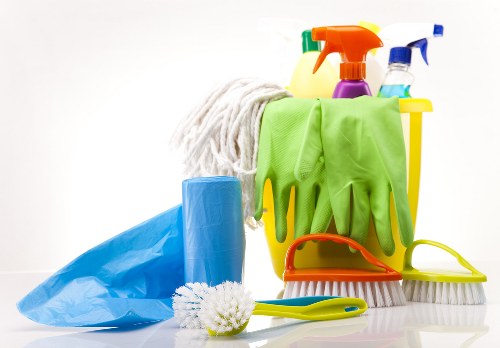
Commercial cleaning is essential because it supports a healthier and more organized workplace. Dust, allergens, bacteria, and debris can collect quickly in shared spaces, especially where many people come and go throughout the day. Regular cleaning reduces these risks and helps create an environment where employees can work more comfortably and confidently. For clients and customers, a clean business environment also creates a strong first impression.
Cleanliness affects more than appearances. It can influence morale, focus, and even employee retention. Workers are more likely to feel valued when their environment is cared for properly. A spotless lobby, sanitized restroom, and tidy meeting room communicate attention to detail and professionalism. In many industries, commercial cleaning also supports compliance with health and safety standards, which can be crucial for avoiding operational issues.
Businesses that invest in commercial cleaning often see benefits in multiple areas, including reduced sick days, better workflow, and fewer maintenance problems. Routine cleaning can extend the life of carpets, fixtures, hard floors, furniture, and equipment. That means fewer repairs and replacements over time, which helps manage operating costs more effectively.
What Commercial Cleaning Services Usually Include

Commercial cleaning services can be tailored to fit the exact needs of a property. While every business is different, most plans include a combination of routine and specialized tasks. Standard tasks often cover dusting, emptying trash bins, vacuuming, mopping, restroom cleaning, sanitizing surfaces, and replenishing supplies. These tasks keep the workplace neat and functional on a daily or weekly basis.
More advanced commercial cleaning may also include floor stripping and waxing, carpet extraction, window washing, pressure washing, and deep disinfection. Some facilities require special attention to kitchens, laboratories, manufacturing areas, healthcare rooms, or food preparation spaces. In these settings, cleaning must follow strict procedures to prevent contamination and protect people.
Here are some of the most common tasks businesses request:
- Desk and surface cleaning
- Restroom sanitation and restocking
- Breakroom and kitchen cleaning
- Floor sweeping, mopping, and polishing
- Trash removal and recycling support
- Disinfection of high-touch points
- Glass and window cleaning
- Carpet and upholstery care
Industries That Depend on Commercial Cleaning
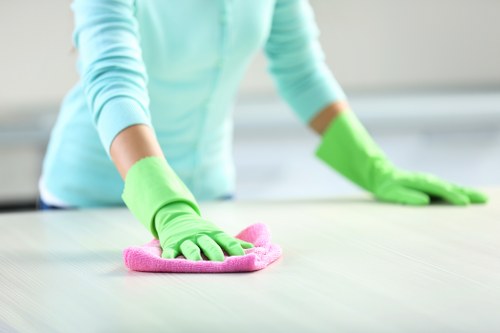
Different industries need different commercial cleaning solutions. Offices usually need regular cleaning of workstations, conference rooms, restrooms, and common areas. Retail locations require spotless floors, bright windows, clean fitting rooms, and well-maintained customer spaces. In both cases, the goal is to create a place where people feel comfortable spending time.
Healthcare facilities rely heavily on commercial cleaning because hygiene is non-negotiable. Medical offices, clinics, dental practices, and rehabilitation centers need detailed disinfection to reduce the spread of illness. Schools and childcare centers also need consistent cleaning to protect students, teachers, and staff in high-contact environments.
Other sectors that benefit greatly from commercial cleaning include warehouses, hotels, restaurants, fitness centers, financial institutions, and places of worship. Each setting has unique requirements, but the common goal remains the same: a cleaner, safer, and more organized environment. Professional commercial cleaning helps each industry meet its own standards while maintaining a positive public image.
Key Benefits of Professional Commercial Cleaning
One of the biggest benefits of commercial cleaning is improved health and hygiene. Shared workspaces can easily become breeding grounds for bacteria and viruses if they are not cleaned regularly. Professional cleaners use correct products and methods to target germs on frequently touched surfaces such as door handles, light switches, desks, phones, and restroom fixtures. This helps reduce the spread of illness and supports a healthier workforce.
Another major benefit is improved productivity. When an office or facility is clean and organized, employees can focus better and work with fewer distractions. Cluttered or dirty spaces can create stress and make it harder to stay efficient. A tidy environment also makes it easier to locate materials, move around safely, and maintain professional standards throughout the day.
Commercial cleaning also protects your brand image. Customers notice cleanliness immediately, whether they are walking into a lobby, sitting in a waiting room, or using a restroom. A well-maintained property communicates reliability, care, and attention to detail. This can influence customer trust and increase the likelihood of repeat business.
How Commercial Cleaning Supports Workplace Safety
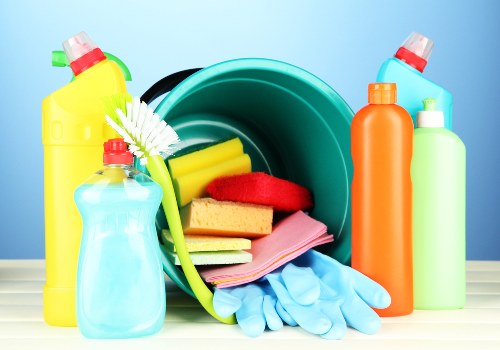
Safety is a major reason businesses invest in commercial cleaning. Spills, dust, trash, and clutter can create hazards that lead to slips, trips, and falls. Regular cleaning reduces these dangers by keeping walkways clear and floors in good condition. It also helps identify maintenance issues early, such as leaks, damaged flooring, or broken fixtures that might otherwise go unnoticed.
In addition to physical hazards, poor cleaning can increase exposure to allergens and contaminants. Dust buildup may affect indoor air quality, while unsanitized restrooms and kitchens can contribute to the spread of germs. Professional commercial cleaning addresses these risks with planned routines and proper product use. That creates a more stable environment for employees, clients, and visitors.
In certain workplaces, safety requirements are especially strict. Industrial facilities, healthcare organizations, and food service businesses often need cleaning protocols that align with regulatory standards. In those environments, commercial cleaning is part of the broader safety strategy and should be handled by trained staff who understand the specific demands of the industry.
Common safety-focused cleaning practices include:
- Disinfecting touchpoints multiple times a day
- Using slip-resistant floor care methods
- Applying color-coded tools to prevent cross-contamination
- Following chemical handling and storage standards
- Maintaining clear entrances, hallways, and emergency exits
Choosing the Right Commercial Cleaning Plan
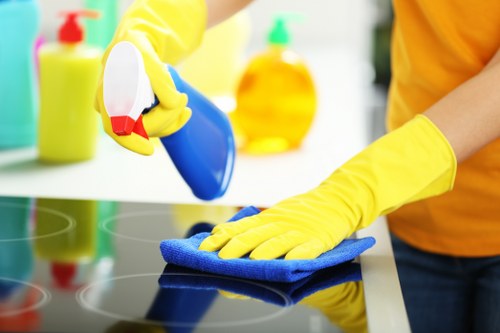
Every business has unique cleaning needs, so the right commercial cleaning plan should reflect your building size, usage patterns, industry standards, and budget. A small office may only need nightly cleaning and weekly deep cleaning, while a large property may require daily service or even daytime cleaning support. The best plans are flexible and scalable.
When evaluating commercial cleaning options, businesses should think about the specific areas that need the most attention. High-traffic zones, restrooms, reception areas, break rooms, and shared equipment often require more frequent cleaning than less-used spaces. It is also helpful to consider seasonal demands, such as extra floor care during wet weather or additional sanitation during flu season.
Look for a cleaning plan that includes clear responsibilities, service frequency, and quality checks. A strong commercial cleaning program should be easy to understand and easy to adjust when business needs change. This makes it easier to keep standards consistent and avoid disruptions to daily operations.
What to Look for in a Commercial Cleaning Provider
Choosing a commercial cleaning provider requires more than comparing prices. Experience, reliability, training, and communication all matter. A good provider should understand the needs of different industries and be able to adapt services to fit your property. They should also use appropriate equipment and cleaning methods for each area, from delicate office furniture to heavy-duty flooring.
Another important factor is staff training. Professional cleaners should know how to clean efficiently, handle chemicals safely, and recognize surfaces that need special care. This reduces the risk of damage and helps maintain a consistent level of quality. Providers that invest in training are often better equipped to deliver dependable results.
It is also wise to evaluate scheduling flexibility and quality control. Businesses often need cleaning outside working hours, during quiet periods, or on a customized schedule. A dependable commercial cleaning provider should be able to work around your operations without causing delays or unnecessary interruptions.
Questions worth asking before hiring:
- What industries do you specialize in?
- What cleaning products and equipment do you use?
- How do you ensure quality and consistency?
- Can you customize your commercial cleaning schedule?
- How do you handle special requests or urgent cleaning needs?
Deep Cleaning vs. Routine Commercial Cleaning
Routine commercial cleaning focuses on maintaining cleanliness day to day or week to week. It includes tasks such as dusting, emptying waste bins, sanitizing surfaces, and keeping restrooms presentable. This type of cleaning is designed to prevent buildup and preserve a professional appearance throughout regular business operations.
Deep cleaning goes further. It targets areas that are often missed during routine service, such as behind furniture, inside vents, baseboards, grout lines, and hard-to-reach corners. Deep cleaning may also involve extraction methods, machine scrubbing, and more intensive disinfection. Many businesses schedule deep cleaning on a quarterly, seasonal, or annual basis.
Both types of commercial cleaning are important. Routine service keeps spaces presentable and safe, while deep cleaning restores the overall condition of the property. Using both together creates a more effective cleaning strategy and helps prevent long-term buildup of dirt and grime.
Simple rule of thumb:
If people use the space every day, it needs ongoing commercial cleaning. If dirt is hidden, stubborn, or built up over time, it likely needs deep cleaning.
The Role of Eco-Friendly Commercial Cleaning
Eco-friendly commercial cleaning is becoming more popular as businesses look for ways to reduce environmental impact without sacrificing cleanliness. Green cleaning products are often designed to be less harsh on surfaces, indoor air, and the people who occupy the building. They can be a smart choice for offices, schools, healthcare spaces, and other environments where air quality matters.
Many companies also prefer environmentally conscious cleaning because it supports broader sustainability goals. This may include using concentrated products to reduce waste, microfiber tools to limit chemical use, and energy-efficient equipment to lower power consumption. Eco-friendly commercial cleaning can be both practical and responsible.
That said, green cleaning should still be effective. Businesses should choose products and procedures that deliver reliable sanitation and maintain the same standard of cleanliness expected from professional service. The best commercial cleaning providers balance environmental care with performance.
How Commercial Cleaning Improves Customer Experience
Customers often judge a business within the first few seconds of entering it. Clean floors, fresh-smelling rooms, and orderly surfaces create confidence right away. If the space feels neglected, even a strong product or service may not fully overcome that impression. Commercial cleaning helps make sure the physical environment supports the experience you want to deliver.
Cleanliness also affects comfort. Visitors are more likely to relax and stay longer in a space that feels sanitary and well maintained. In retail and hospitality settings, this can have a direct impact on sales and customer loyalty. In professional offices, it can support stronger relationships and a more polished brand presence.
A consistent commercial cleaning routine also reduces complaints about restrooms, trash, odors, dust, or messy common areas. These small details matter more than many businesses realize. When customers feel comfortable, they are more likely to return, recommend your business, and trust your team.
Planning a Commercial Cleaning Schedule
An effective schedule is one of the foundations of successful commercial cleaning. The right frequency depends on how often people use the space, the type of business, and the level of cleanliness required. Offices may need nightly cleaning, while high-traffic facilities may require service several times a day.
A strong schedule should prioritize the most important tasks first. Restrooms, floors, reception areas, kitchen spaces, and high-touch surfaces usually deserve the most attention. Less frequently used areas can be cleaned less often, but they should not be ignored. Building a smart schedule helps reduce waste and ensures the cleaning team focuses on what matters most.
Businesses should also review their cleaning schedule regularly. Seasonal changes, staffing changes, special events, and construction or renovation work may all affect cleaning needs. Commercial cleaning works best when the schedule is reviewed and adjusted as the business evolves.
Why Commercial Cleaning Is a Long-Term Investment
Some businesses view cleaning as an expense, but it is better understood as a long-term investment. Regular commercial cleaning helps protect assets, reduce replacement costs, and maintain a more productive workplace. Carpets last longer when they are vacuumed and extracted properly. Hard floors stay in better shape when they are cleaned and maintained correctly. Furniture, fixtures, and equipment also remain usable for longer periods.
In addition, consistent commercial cleaning can help businesses avoid issues that become expensive over time. Mold, staining, corrosion, pest problems, and odor buildup are all harder to fix once they spread. Preventive cleaning reduces those risks and helps preserve the property’s condition.
For businesses that care about professionalism, safety, and customer trust, commercial cleaning offers returns that go beyond visual appeal. It supports daily performance, long-term durability, and a stronger overall impression.
Final Thoughts on Commercial Cleaning
Commercial cleaning is one of the most important services a business can invest in. It keeps workplaces healthier, safer, more organized, and more attractive. It supports employee productivity, customer experience, and brand reputation while also protecting the property itself. Whether your business needs routine office cleaning, specialized sanitation, or scheduled deep cleaning, the right approach can make a noticeable difference.
As businesses continue to place greater value on hygiene and workplace quality, commercial cleaning will remain a critical part of daily operations. Choosing a reliable service, setting clear expectations, and maintaining a consistent schedule can help any organization operate at a higher standard. If you are ready to improve your workplace environment, contact us today or book your service now to take the next step toward a cleaner, healthier business space.