Communal Area Cleaning: Creating Safer, Cleaner, and More Welcoming Shared Spaces
What Communal Area Cleaning Means in Modern Buildings
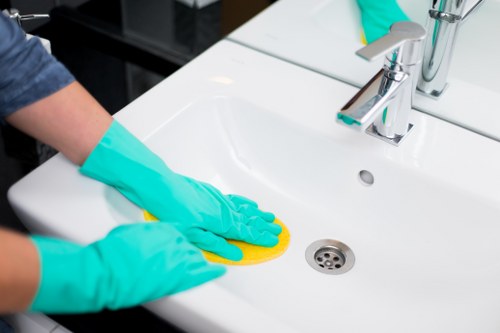
Communal area cleaning refers to the regular, professional upkeep of shared spaces in residential, commercial, and mixed-use properties. These spaces can include lobbies, hallways, stairwells, lifts, reception areas, shared kitchens, laundry rooms, corridors, entranceways, and even outdoor common zones. When these areas are cleaned properly, the entire property feels more comfortable, more hygienic, and more valuable.
In many buildings, communal area cleaning is not just about appearance. It helps reduce dust, litter, odors, bacteria, and allergens that can build up quickly in high-traffic zones. Because these areas are used by multiple people every day, they need more attention than private rooms. A consistent cleaning routine keeps the environment fresh and helps create a strong first impression for visitors, tenants, and staff.
Property managers, landlords, housing associations, and business owners often rely on professional communal area cleaning to maintain standards without burdening residents or employees. When done well, it supports safety, preserves building surfaces, and improves everyday life for everyone who uses the space.
Why Communal Area Cleaning Matters for Every Property
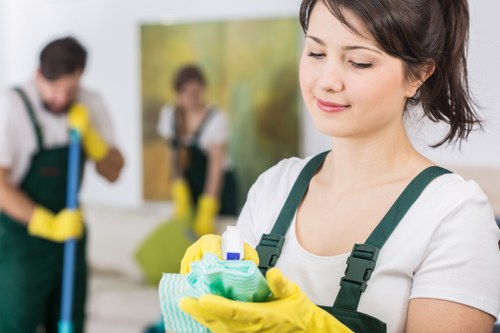
Clean shared areas do more than look neat. They influence how people feel about a property and how they interact with it. A tidy lobby or well-kept corridor immediately communicates care, order, and professionalism. On the other hand, neglected communal spaces can make even a high-quality building feel poorly maintained.
One of the biggest benefits of communal area cleaning is hygiene. Shared surfaces such as door handles, buttons, handrails, and tables are touched by many people every day. Without proper cleaning, germs can spread quickly. Regular disinfection helps reduce that risk and supports a healthier environment for residents, staff, and visitors.
There is also a practical side. Dirt and debris can damage flooring, stain walls, clog vents, and wear down fixtures over time. A structured cleaning program helps protect these assets, which can lower repair costs and extend the life of the building interior. Clean communal areas are not a luxury; they are part of smart property maintenance.
Key Areas Covered in Communal Area Cleaning
Effective communal area cleaning usually covers a wide range of spaces, depending on the type of property. Every building is different, but the following areas are commonly included in a cleaning plan:
- Entrances and foyers
- Stairwells and landings
- Elevators and lift buttons
- Hallways and corridors
- Shared kitchens and break rooms
- Laundry rooms
- Reception areas
- Waiting areas
- Restrooms in shared facilities
- Outdoor communal walkways
Within these areas, cleaners may vacuum carpets, mop hard floors, wipe surfaces, empty bins, remove cobwebs, polish glass, sanitize high-touch points, and spot-clean walls or doors. In some properties, common area cleaning also includes deodorizing, light dusting of fixtures, and checking that supplies such as soap, paper towels, and bin liners are stocked.
A thorough service ensures that all shared surfaces are maintained to a consistent standard. That consistency matters because one neglected corner can undo the effect of an otherwise clean building. A strong routine makes the whole property feel cared for from the moment someone walks in.
How Professional Communal Area Cleaning Works
Step-by-Step Cleaning Process
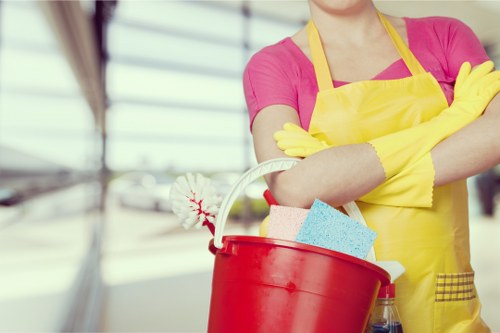
Professional communal area cleaning usually starts with an assessment of the property. The cleaning team examines foot traffic patterns, surface types, and any specific issues such as heavy litter, spill risks, or problem areas. This helps them create a practical schedule and choose the right tools and products.
Next comes the cleaning routine itself. Common tasks may include dusting, sweeping, vacuuming, mopping, disinfecting, and polishing. High-touch surfaces are given special attention because they are more likely to spread dirt and germs. In many cases, a team will also remove visible marks from glass, doors, and skirting boards to keep everything looking sharp.
Finally, a quality check may be carried out to make sure no area has been missed. In professional communal area cleaning, attention to detail is what separates a basic service from a reliable one. Cleaners often work according to a schedule that fits the property’s use, whether daily, weekly, or at another frequency.
Common Tools and Equipment
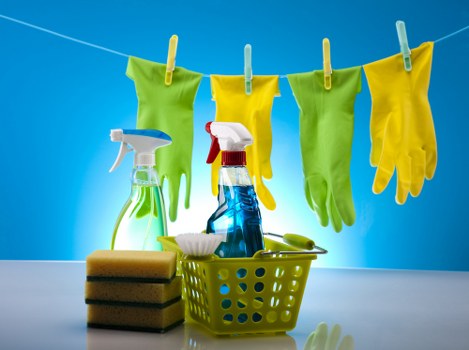
To achieve strong results, cleaning teams typically use a mix of manual tools and specialist equipment. These can include:
- Microfiber cloths and dusters
- Vacuum cleaners with HEPA filtration
- Mops and buckets
- Floor scrubbers
- Disinfectant sprays and wipes
- Glass cleaning solutions
- Waste bags and bin liners
- Protective gloves and safety gear
Choosing the right tools matters because different surfaces need different care. For example, carpeted corridors benefit from vacuuming that removes dust from deep fibers, while tiled lobby floors may require careful mopping and drying to prevent slips.
The Benefits of Regular Communal Area Cleaning
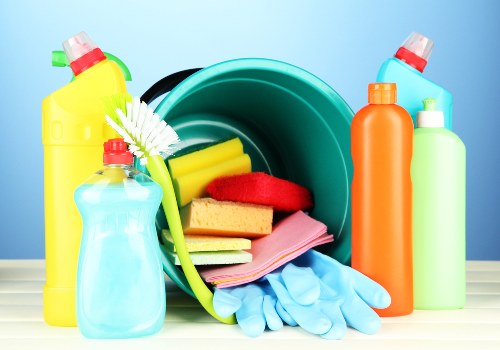
Regular communal area cleaning offers long-term benefits that go far beyond a tidy appearance. One major advantage is improved health and safety. When spills, dust, and debris are removed promptly, the risk of slips, trips, and allergic reactions is reduced. This is especially important in properties with children, elderly residents, or high visitor traffic.
Another important benefit is better property value. Buildings with well-maintained communal spaces tend to leave a stronger impression on tenants and prospective buyers. Clean entranceways, polished floors, and fresh-smelling corridors can make a property feel newer and more desirable, which supports occupancy and retention.
There is also a psychological benefit. People naturally feel more comfortable and respected in a clean environment. In shared living or working spaces, that sense of comfort can reduce complaints and improve day-to-day experiences. Well-managed communal area cleaning helps create a positive atmosphere that everyone can appreciate.
Communal Area Cleaning for Residential Buildings
Apartment Blocks, Flats, and Shared Housing
Residential properties often require a careful balance between efficiency and sensitivity. In apartment blocks, shared hallways, staircases, elevators, and entry points are used constantly. This makes residential communal area cleaning essential for keeping the building orderly and pleasant.
Residents expect common spaces to be clean, safe, and free from unpleasant odors. If bins overflow, floors become sticky, or mail areas gather dust, frustration can grow quickly. Regular cleaning helps avoid these issues and supports a better living experience for all occupants.
Shared housing and managed apartment complexes may also need flexible schedules. Some areas are busier in the morning, while others see more traffic in the evening. Cleaning at the right time helps avoid disruption while still keeping the area fresh. A good plan respects the daily rhythm of the building.
Tenant Satisfaction and Building Reputation
For landlords and housing managers, communal area cleaning plays a direct role in tenant satisfaction. A clean building suggests responsive management and encourages residents to take pride in the property as well. It can also reduce disputes about cleanliness, waste disposal, and maintenance responsibilities.
In competitive rental markets, small details matter. A spotless entrance or well-maintained staircase can influence how current and future tenants perceive the property. Even if they do not mention it directly, people notice when a building is consistently cared for.
Communal Area Cleaning for Commercial Properties
Offices, Retail Spaces, and Mixed-Use Buildings
Commercial buildings often have a different set of demands. Lobbies, reception desks, lifts, break rooms, and shared restrooms may need frequent attention throughout the day. In these spaces, commercial communal area cleaning supports professionalism and helps staff and visitors feel welcome.
Retail properties, especially those with shared entrances or customer seating zones, rely on cleanliness to create a positive shopping experience. In mixed-use buildings, where residential and commercial tenants share some facilities, cleaning teams must be especially organized. The service should be adapted to each zone so that all users receive the right level of care.
Offices also benefit from regular maintenance of communal spaces such as kitchens and meeting corridors. Food areas can quickly become unhygienic if spills are not cleaned immediately. Shared surfaces like microwaves, fridges, and counters need routine sanitizing to prevent buildup and keep the environment professional.
Business Image and Client Experience
A polished common area reflects a well-run business. Clients, suppliers, and guests often form opinions before they even enter the main office. That is why office communal area cleaning is so valuable. It supports a professional image, improves comfort, and helps create a workplace people want to visit and use.
How Often Should Communal Areas Be Cleaned?
The right frequency depends on several factors, including the size of the property, the number of users, the type of flooring, and the level of daily traffic. A busy apartment block with dozens of residents may need cleaning several times a week, while a smaller building may need less frequent visits.
For high-traffic environments, daily service is often the best choice. Lobbies, entrances, toilets, lifts, and shared kitchens can accumulate mess quickly. In lower-traffic locations, weekly or biweekly cleaning may be enough to keep standards high. The key is consistency. A cleaning schedule that is followed reliably is always more effective than one that looks good on paper but is not maintained.
Some property managers also choose seasonal adjustments. During wetter months, more mud and moisture may be tracked inside, which means extra floor care is needed. In warmer months, odors and bin management may require more attention. Flexible communal area cleaning plans help properties stay clean all year round.
Best Practices for Maintaining Shared Spaces
While professional cleaning does most of the heavy lifting, building users also play a role in maintaining shared areas. Clear expectations can help prevent clutter and reduce unnecessary mess between visits from the cleaning team.
- Encourage residents or employees to dispose of waste properly.
- Provide enough bins in convenient locations.
- Use signage to remind people about shared responsibilities.
- Report spills, damage, or hazards promptly.
- Keep cleaning schedules visible where appropriate.
- Ensure high-touch surfaces are cleaned more frequently.
These practices work best when paired with a reliable service. Communal area cleaning is strongest when everyone understands that shared spaces belong to everyone and need shared care. Small habits, repeated daily, make a noticeable difference.
It can also help to assign responsibility for specific zones. For example, a manager may oversee the lobby and elevator area, while another team checks rubbish collection points. This structured approach reduces confusion and keeps the property running smoothly.
Choosing the Right Communal Area Cleaning Service
What to Look For
Selecting the right provider is important because not all cleaning services are the same. A strong communal area cleaning company should understand property types, traffic patterns, and hygiene standards. They should also be able to work discreetly, efficiently, and safely.
When comparing providers, look for the following qualities:
- Experience with shared residential or commercial spaces
- Flexible schedules tailored to building needs
- Use of suitable cleaning products and equipment
- Attention to health and safety requirements
- Clear service checklists and quality control
- Reliable communication and consistency
It is also wise to choose a team that can adapt to different materials and surfaces. Stone, tile, carpet, glass, metal, and painted finishes all require specific handling. A knowledgeable provider will protect the building while keeping it spotless. That is especially important for long-term maintenance and cost control.
Questions to Ask Before Hiring
Before committing to a service, ask practical questions about the cleaning process, the frequency of visits, and the areas covered. You may also want to know how the team handles urgent issues such as spills, odors, or damage in common areas. Clear expectations from the start lead to better results later.
Health, Safety, and Hygiene Standards
In shared environments, hygiene is more than a visual issue. It is closely tied to health and safety. Communal area cleaning should include regular attention to sanitizing high-contact surfaces and removing waste before it becomes a problem. This helps reduce bacteria, mold, dust buildup, and unpleasant smells.
Safety is equally important. Wet floors should be signposted properly, cleaning chemicals must be used according to instructions, and equipment should not block walkways or exits. Professional cleaners understand how to work without creating new hazards. A well-run service protects both the property and the people inside it.
Good hygiene standards are especially important in buildings with vulnerable people or shared amenities. In these settings, common area cleaning helps reduce the spread of illness and creates a more reassuring environment. A clean space can have a real impact on morale and confidence.
Eco-Friendly Approaches to Communal Area Cleaning
Many property owners now prefer more sustainable cleaning methods. Eco-friendly communal area cleaning focuses on reducing harsh chemicals, cutting waste, and using efficient equipment. This approach can be kinder to the environment while still delivering excellent results.
Examples of greener practices include using biodegradable products, microfiber cloths that reduce paper waste, refillable cleaning containers, and energy-efficient machines. Water use may also be managed more carefully to avoid unnecessary consumption. These choices support cleaner buildings and a lighter environmental footprint.
For many clients, sustainability is not just an extra benefit. It is part of how they want their property to be managed. Eco-conscious communal area cleaning can align with broader environmental goals while still maintaining high hygiene standards. It is a practical option for modern buildings.
Common Problems in Communal Areas and How Cleaning Helps
Shared spaces face several recurring issues. Dust collects in corners and on ledges. Footprints appear on floors and walls. Bins overflow. Food crumbs attract pests. Condensation can leave surfaces damp. Over time, these problems can make the environment feel neglected if they are not addressed regularly.
Consistent communal area cleaning helps solve these problems before they become serious. Regular vacuuming and mopping reduce dust and dirt. Waste removal prevents smells and pest attraction. Routine wiping of railings, switches, and handles reduces grime and supports hygiene. In this way, cleaning is preventive as well as corrective.
When buildings are cleaned with care, even high-traffic wear can be controlled. The difference is noticeable not just in appearance but also in how the property functions. Fewer complaints, fewer hazards, and fewer emergency cleanups make life easier for everyone involved.
The Long-Term Value of Professional Communal Area Cleaning
Investing in professional communal area cleaning pays off over time. Clean, well-maintained shared spaces help protect flooring, fixtures, paintwork, and furnishings. They reduce the need for deep remedial work and support a more stable maintenance budget. That makes cleaning a cost-effective part of property care.
There is also a reputational advantage. Whether the property is residential, commercial, or mixed-use, clean communal spaces suggest quality and reliability. This can support tenant retention, stronger occupancy rates, and better overall satisfaction. In practical terms, it helps the building work better for the people who use it every day.
Most importantly, a clean communal environment improves the daily experience of the people who live or work there. Communal area cleaning is not just about keeping things neat. It is about creating shared spaces that feel safe, welcoming, and respectful.
Final Thoughts on Keeping Shared Spaces in Excellent Condition
Every property benefits from a thoughtful approach to communal area cleaning. From entrance halls and corridors to lifts, stairwells, and shared kitchens, these spaces shape the overall impression of a building. When they are maintained properly, they support hygiene, safety, and comfort at the same time.
If you manage a residential block, office building, or mixed-use site, a regular cleaning schedule can make a noticeable difference. It keeps shared spaces presentable, reduces long-term damage, and helps everyone enjoy the property more. The results are practical, visible, and lasting.
Ready to improve your shared spaces? Contact us today and book your service now to keep your communal areas clean, safe, and welcoming all year round.