Office Cleaning in Modern Workplaces: A Practical, Professional Approach to a Healthier Office
Office cleaning plays a bigger role in business success than many people realize. A tidy workspace supports productivity, creates a welcoming atmosphere, and helps employees and visitors feel confident about the environment. Whether you manage a small startup, a busy corporate floor, or a shared workspace, office cleaning is one of the most important services you can invest in for daily comfort and long-term workplace health.
Today’s offices are more active, more collaborative, and more diverse than ever. That means cleaning is no longer just about emptying bins and vacuuming carpets. It also involves disinfecting high-touch surfaces, managing restrooms, keeping kitchens sanitary, and maintaining a polished look throughout the building. Professional office cleaning helps businesses stay organized while reducing the spread of germs and allergens.
In this article, we’ll look at what office cleaning includes, why it matters, how to plan the right cleaning routine, and what to expect from a reliable service. If you’re trying to improve your workplace environment, this article will help you make informed decisions and see the value of a consistent cleaning strategy.
Why Office Cleaning Matters for Every Business

Clean offices do more than look good. They influence morale, productivity, and even how your brand is perceived. When a client walks into a clean reception area, they immediately notice the difference. The same is true for employees, who are more likely to stay focused in an organized and hygienic environment.
Professional office cleaning also supports workplace wellness. Dust, bacteria, and clutter can build up quickly in high-use areas, especially in shared workstations, conference rooms, and break areas. Routine cleaning reduces these risks and helps create a safer space for everyone.
Another major benefit is consistency. When cleaning tasks are handled on a schedule, your office stays presentable every day instead of only after a deep tidy-up. That consistency matters for businesses that want a reliable image and fewer disruptions to daily operations.
What Office Cleaning Typically Includes

Office cleaning can be customized to match the size, layout, and needs of the workplace. However, most services include a core set of tasks designed to keep the office clean, organized, and healthy.
Common Office Cleaning Tasks
- Dusting desks, shelves, baseboards, and office furniture
- Vacuuming carpets and sweeping or mopping hard floors
- Emptying waste bins and replacing liners
- Cleaning and disinfecting high-touch surfaces
- Sanitizing kitchens, lunch rooms, and break areas
- Cleaning restrooms and restocking supplies
- Wiping glass doors, partitions, and mirrors
- Maintaining reception areas and meeting rooms
Some businesses also request additional services such as window cleaning, upholstery care, deep carpet cleaning, or post-construction cleaning. These extras can be added based on traffic levels, industry requirements, and seasonal needs.
Good office cleaning is not one-size-fits-all. A law office, medical office, coworking space, and creative agency may all need different cleaning priorities. The best results come from a plan tailored to the actual use of the space.
Benefits of Professional Office Cleaning Services
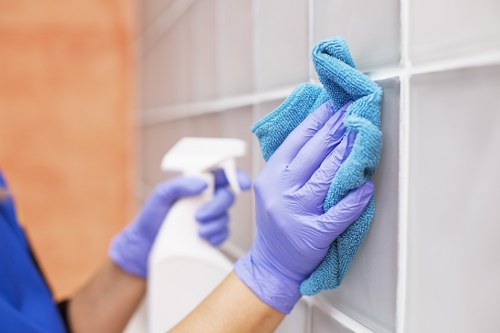
Hiring a professional team for office cleaning offers benefits that go far beyond basic tidiness. One of the biggest advantages is time savings. Employees should focus on their actual work instead of managing cleanup tasks that distract from their responsibilities.
Professional office cleaning also improves hygiene standards. Trained cleaners know how to handle shared surfaces, high-traffic zones, and sensitive areas using the right products and methods. This reduces the spread of germs and supports a healthier workplace.
Another benefit is a more polished appearance. A clean office sends a strong message about professionalism, attention to detail, and care for the people who work there. In competitive industries, those impressions matter.
Additional Advantages
- Improved employee satisfaction and morale
- Longer life for carpets, furniture, and fixtures
- Reduced clutter and better space utilization
- Fewer allergens and less dust buildup
- Stronger first impressions for clients and partners
Creating the Right Office Cleaning Schedule

Every office needs a cleaning schedule, but the ideal frequency depends on foot traffic, the nature of the business, and the number of shared areas. A busy workplace with many employees may need daily office cleaning, while a smaller office might only need service several times a week.
To build an effective schedule, start by identifying your busiest zones. Reception areas, meeting rooms, restrooms, kitchens, and printer stations often require the most attention. High-touch surfaces like door handles, light switches, elevator buttons, and shared equipment should be cleaned frequently.
It’s also smart to separate daily tasks from weekly or monthly tasks. This helps maintain control over routine maintenance without neglecting deeper cleaning needs. A structured approach keeps the office consistently fresh and reduces the chance of dirt accumulating in hidden areas.
Example Office Cleaning Schedule
- Daily: Trash removal, surface sanitizing, restroom cleaning, and floor tidying
- Weekly: Dusting, vacuuming, kitchen cleaning, and glass wiping
- Monthly: Deep cleaning of furniture, vents, baseboards, and hard-to-reach corners
- Seasonally: Carpet shampooing, window cleaning, and full space refreshes
How Office Cleaning Supports Workplace Health

Health and cleanliness are closely connected. Offices are shared environments, which means germs can spread quickly through touchpoints and communal spaces. Office cleaning helps lower this risk by focusing on sanitation and regular disinfection.
Clean workplaces also support people with allergies or sensitivities. Dust, pollen, and particles can accumulate in carpets, fabric chairs, and corners if cleaning is inconsistent. With proper office cleaning, air quality can improve and employees may experience fewer discomforts during the day.
This matters especially during cold and flu season, when businesses often want to reduce absenteeism and keep operations running smoothly. A clean office won’t eliminate illness, but it can be an important part of a broader wellness strategy.
Key Health-Focused Cleaning Priorities
- Disinfecting desks and shared devices
- Cleaning kitchen surfaces and appliance handles
- Sanitizing restrooms multiple times per week
- Removing dust from vents, corners, and shelving
- Keeping floors free from spills and debris
Office Cleaning for Different Business Types
Not every workplace has the same cleaning needs. Office cleaning should reflect the type of business, the volume of daily visitors, and the way the space is used. A flexible service can adapt to different environments without missing essential details.
Small Offices
Smaller offices often need a simple but consistent routine. Since fewer people use the space, tasks may focus on desks, meeting areas, bathrooms, and shared kitchens. Even in a compact environment, office cleaning helps maintain order and professionalism.
Corporate Offices
Corporate offices usually require more frequent cleaning because of larger teams and more shared spaces. These environments often benefit from daily attention to lobbies, conference rooms, washrooms, and breakrooms. High visibility areas should always look polished.
Medical and Wellness Offices
Medical offices, dental practices, and wellness centers need especially careful cleaning. Hygiene standards are often higher, and disinfection must be handled with precision. In these settings, office cleaning becomes part of the facility’s commitment to safety and trust.
Co-Working Spaces
Shared offices present unique challenges because many people use the same desks, tables, and equipment throughout the day. Frequent sanitizing, trash removal, and restroom upkeep are essential for keeping the space pleasant and professional for all users.
Choosing the Right Office Cleaning Provider
Selecting a cleaning provider is an important business decision. You want a team that is reliable, detail-oriented, and able to work around your schedule. Strong communication and a clear service plan are just as important as the cleaning itself.
When comparing office cleaning providers, look at experience, flexibility, training, and service consistency. It’s also wise to ask what products and equipment they use, especially if your workplace has specific requirements or sustainability goals.
What to Look For
- Custom cleaning plans based on your office layout
- Trained staff who understand workplace hygiene
- Flexible scheduling options, including after-hours service
- Clear scope of work and task lists
- Quality control procedures and regular inspections
- Use of safe and effective cleaning products
A dependable office cleaning provider should make your life easier, not more complicated. The process should be simple, professional, and designed around your business priorities. Book your service now if you’re ready to improve the condition and comfort of your workspace.
The Role of Eco-Friendly Office Cleaning
More businesses are choosing eco-friendly office cleaning methods because they want healthier indoor spaces and reduced environmental impact. Green cleaning products can help minimize harsh chemical exposure while still delivering a clean and sanitized environment.
Eco-conscious cleaning is also attractive to employees and clients who value sustainability. From biodegradable products to microfiber cloths and energy-efficient cleaning equipment, there are many ways to support greener operations without sacrificing results.
Green office cleaning may include lower-VOC products, reusable supplies, and careful waste management. It can be a smart option for businesses that want to improve their environmental practices while maintaining excellent cleanliness standards.
Benefits of Green Cleaning
- Reduced exposure to harsh chemicals
- Improved indoor air quality
- Safer surfaces for employees and visitors
- Support for corporate sustainability goals
- Better overall workplace wellness
Common Office Cleaning Mistakes to Avoid
Even well-run offices can fall into poor cleaning habits. Ignoring certain zones or relying on occasional tidying can quickly make the workplace feel disorganized. Consistency is the key to effective office cleaning.
One common mistake is focusing only on visible areas. While desks and reception spaces matter, hidden corners, vents, and behind-furniture spaces also collect dust and debris. Another issue is using the wrong products on delicate surfaces, which can cause damage over time.
It’s also easy to overlook shared items such as keyboards, phones, and conference equipment. These are high-touch areas that should be cleaned regularly to support hygiene and reduce buildup. A strong cleaning plan prevents these oversights.
Frequent Mistakes to Watch For
- Skipping high-touch surface disinfection
- Leaving restrooms or kitchens on a low-priority schedule
- Using inconsistent cleaning routines
- Neglecting carpets, vents, and baseboards
- Allowing clutter to interfere with cleaning access
How to Get Better Results from Office Cleaning
Businesses can improve results by treating office cleaning as an ongoing process rather than a one-time task. Clear expectations, regular communication, and a practical checklist all help create better outcomes.
It also helps to keep workspaces organized. When employees clear personal items and shared areas are kept tidy, cleaners can work more efficiently and thoroughly. Simple habits like storing supplies properly and removing unused clutter make a noticeable difference.
For best results, review your office cleaning plan periodically. As your business grows, so do your cleaning needs. New team members, new layouts, and higher traffic levels may all require changes to your routine.
Practical Tips for Better Office Cleaning Outcomes
- Set clear priorities for each room or area
- Schedule cleaning during low-traffic times when possible
- Use labeled cleaning zones and task checklists
- Encourage staff to keep shared spaces orderly
- Review service performance regularly
Why Consistent Office Cleaning Is a Smart Investment
Many businesses think of office cleaning as a routine expense, but it is better understood as a smart investment. A clean and well-maintained office protects your workspace, supports employee well-being, and helps your business present itself professionally every day.
When cleaning is consistent, you reduce wear and tear on surfaces, avoid unpleasant odors, and create a more enjoyable environment for everyone. Over time, that can lead to better morale, better impressions, and a stronger sense of organization throughout the workplace.
Whether you need daily upkeep or periodic deep cleaning, office cleaning should be viewed as part of your business strategy. A clean office makes it easier to work, easier to host visitors, and easier to maintain high standards across the board. Contact us today to take the next step toward a cleaner workplace and a better daily experience for your team.
Final Thoughts on Office Cleaning
Office cleaning is about much more than appearances. It supports health, productivity, professionalism, and comfort in a way that directly benefits every part of the workplace. From dusting and disinfecting to floor care and waste removal, the right cleaning plan keeps your office running smoothly.
If you want your workplace to feel fresh, organized, and welcoming, investing in reliable office cleaning is one of the best decisions you can make. With the right schedule, the right provider, and the right priorities, your office can stay clean and ready for whatever the workday brings.
Book your service now and make office cleaning a dependable part of your business success.