Insurance and Safety: Commitment to Protection
 Insurance and Safety is at the heart of our operations. This page outlines our approach to public liability insurance, staff training, personal protective equipment (PPE), and our risk assessment process. We describe how our liability insurance arrangements and active safety culture work together to reduce exposure, protect clients and staff, and ensure compliance with statutory obligations. Our safety and insurance policy is designed to be pragmatic and accessible: we keep cover levels appropriate, insist on ongoing staff competence, and embed risk thinking into everyday tasks.
We maintain comprehensive public liability insurance and related business insurance policies to cover third-party injury, property damage and legal costs. These policies form a cornerstone of our overall safety management: they are not a substitute for safe systems of work but act as a financial backstop should incidents occur. Coverage limits, indemnity periods and policy endorsements are reviewed regularly so our insurance & safety posture remains robust against emerging risks and changing legislation.
 Our approach to insurance goes beyond simply holding a certificate. We align our insurance strategy with operational risk controls and training standards. This reduces claim frequency and severity, which in turn supports sustainable premiums and reliable cover. We emphasise prevention first: by investing in staff training and equipment we reduce reliance on claims and demonstrate strong risk governance to underwriters.
Public Liability Insurance and Asset Protection
Public liability and professional indemnity provisions ensure that people we serve and our third-party partners are protected in the unlikely event of damage or injury. Our public liability insurance covers legal liability arising from our operations, including accidental harm to visitors, clients or contractors. We regularly validate the scope of cover and ensure policy limits reflect the scale and nature of work undertaken. As part of our insurance and safety framework, we also monitor policy renewal dates and coordinate with brokers to make sure there are no gaps in cover.
 We use a combination of contractual risk allocation, clear on-site safety protocols and insurance to manage residual exposure. For higher-risk activities we secure tailored extensions or additional endorsements so our liability cover matches the operational profile. This layered approach—controls first, insurance second—helps keep premiums in check and ensures claims are handled efficiently when they do arise.
Key elements of our cover include:
- Third-party injury and property damage protection;
- Legal expenses associated with defending covered claims;
- Extensions for subcontractors, hired-in plant or specialty operations where required.
Staff Training, PPE and Competency
Effective staff training is essential to reduce incidents and demonstrate due diligence. Our training program covers induction, role-specific competencies, refresher courses and assessment. All operatives complete mandatory modules on hazard recognition, emergency response and safe handling of tools and materials. Training records are maintained and audited so that competence is verifiable and up-to-date. We emphasise a culture of continued learning so safety knowledge evolves with work scope and regulatory change.
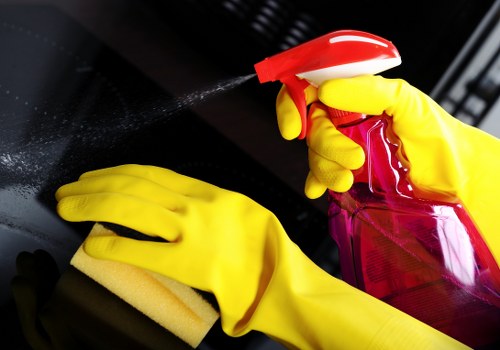 Personal protective equipment (PPE) is a visible and practical component of our safety strategy. We provide and require correct PPE for each task—helmets, eye protection, gloves, high-visibility clothing, respiratory protection where appropriate, and any specialist gear needed for specific hazards. PPE provision is backed by training on correct use, fit and maintenance, and supervisors carry out routine checks to ensure compliance. PPE is always part of the conversation, never a last resort.
 Our
Our
Risk Assessment Process
forms the backbone of how we plan and control work. We follow a clear, repeatable process: identify hazards, assess risks, implement controls, monitor effectiveness and review. Risk assessments are documented, proportionate and specific to the task and site conditions. Controls follow the hierarchy: elimination, substitution, engineering controls, administrative measures and PPE. Where residual risk remains, additional supervision, exclusion zones or specialised permits-to-work are used.We maintain incident reporting and investigation procedures designed to capture learning. All near-misses and incidents are recorded, investigated and reviewed to identify root causes and preventive actions. Lessons learned are integrated back into training, method statements and risk assessments so the loop between safety performance and operational practice is closed. This continuous improvement mindset strengthens both our workplace safety insurance rationale and our real-world safety outcomes.
Ultimately, our insurance & safety approach balances financial protection with practical prevention. Insurance is structured to support recovery; training, PPE and robust risk assessments are the tools that reduce the need for insurance activation. We encourage staff to speak up about safety concerns, to participate in risk reviews, and to treat protection measures as an integral part of every task. That combination of active management and adequate cover is how we protect people, property and the environment.
By integrating public liability cover, targeted staff development, appropriate PPE and a methodical risk assessment process we create a resilient safety system. This system not only manages current hazards but also adapts to new challenges, ensuring that our insurance and safety standards remain effective, compliant and continuously improving.