Oven Cleaning in Every Home: Practical Tips, Benefits, and Professional Results
Why Oven Cleaning Matters for a Healthier Kitchen
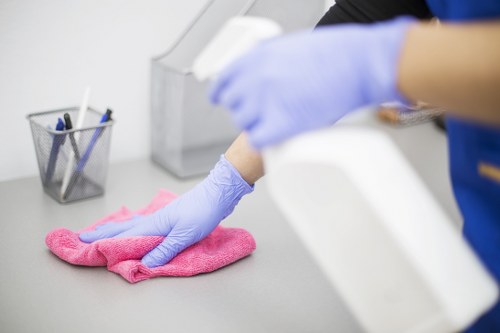
Oven cleaning is one of those household tasks that many people delay, yet it has a direct impact on cooking quality, kitchen hygiene, and appliance performance. A clean oven heats more evenly, smells fresher, and reduces the risk of smoke, burnt residue, and lingering flavors affecting your meals.
Whether you cook daily or only occasionally, grease and food splatter naturally build up inside the appliance. Over time, that buildup can become difficult to remove without proper methods. Regular oven cleaning helps prevent this, while also extending the life of the appliance and keeping your kitchen environment more pleasant.
For many households, the topic of oven cleaning in the kitchen is not just about appearance. It is also about safety, efficiency, and saving time in the long run. A well-maintained oven uses less energy, performs better, and supports a more enjoyable cooking routine.
Understanding Common Oven Cleaning Challenges
One of the biggest challenges in oven cleaning is that residue builds gradually. Small spills from casseroles, sauces, oils, and baked dishes may seem harmless at first, but heat repeatedly bakes them onto the interior surfaces. This creates hardened grime that can be tough to remove with standard wiping.
Another issue is that different parts of the oven require different care. The glass door, racks, heating elements, seals, and interior walls all need attention. Using the wrong product or technique can leave streaks, scratch surfaces, or even damage sensitive components.
Many homeowners also struggle with time. Deep oven cleaning can feel overwhelming because it often requires soaking, scrubbing, and careful rinsing. That is why having a simple routine and understanding the right approach makes a huge difference.
What Typically Causes Oven Buildup?
Common causes include:
- Spilled sauces and oils
- Cheese drips from baked dishes
- Food crumbs and ash
- Grease splatter from roasting
- Repeated high-temperature cooking
Benefits of Regular Oven Cleaning

Regular oven cleaning offers more than visual appeal. It can improve performance, reduce cooking odors, and help your food taste the way it should. When residue is removed, the oven is less likely to produce smoke or transfer burnt flavors to fresh meals.
Clean appliances also tend to last longer. Grease and grime can contribute to wear on internal surfaces and may affect airflow, fan performance, or self-cleaning systems. Preventive maintenance is often easier and cheaper than dealing with repairs caused by heavy buildup.
From a hygiene perspective, oven cleaning supports a cleaner kitchen overall. If old food particles are left inside the appliance, they can attract pests or create unpleasant smells. Keeping the oven clean also makes meal prep more enjoyable because you are cooking in a fresher, more organized space.
Main Advantages at a Glance
- Better cooking results
- Reduced smoke and odors
- Improved energy efficiency
- Longer appliance lifespan
- Cleaner and more hygienic kitchen conditions
DIY Oven Cleaning Methods That Work
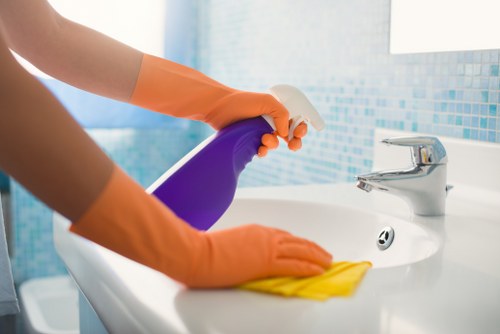
Many people prefer to handle oven cleaning themselves, especially for routine upkeep. DIY methods can be effective if used consistently and correctly. The best method depends on the level of buildup, the type of oven, and the cleaning products you are comfortable using.
For lighter messes, a simple paste made from baking soda and water may be enough. This mixture can help loosen grease without harsh fumes. Apply it to the interior surfaces, let it sit, and then wipe it away with a damp cloth. For stubborn spots, a little white vinegar can help lift residue and reduce streaks.
Another practical approach is to remove the oven racks and soak them separately. This allows you to focus on the main cavity without fighting around bulky metal pieces. Many people also find that a microfiber cloth and a plastic scraper are useful tools for careful oven cleaning.
Step-by-Step DIY Approach
- Turn off and cool the oven completely
- Remove racks, trays, and loose debris
- Apply a suitable cleaning paste or product
- Allow time for the cleaner to break down grime
- Wipe, scrub gently, and rinse thoroughly
- Dry all surfaces before using the oven again
Helpful Safety Tips
Always read your oven manufacturer’s instructions before using any cleaning product. Some surfaces, coatings, and self-cleaning models need special treatment. Avoid harsh abrasives, metal scrubbers, or strong chemicals that may damage the finish.
When Professional Oven Cleaning Is the Better Choice

There are times when professional oven cleaning is the smarter option. If the oven has heavy carbon buildup, stubborn grease, or burned-on residue that will not come off easily, expert cleaning can save significant time and frustration.
Professionals often use specialized equipment and techniques designed to clean ovens more thoroughly than routine DIY methods. They know how to handle delicate parts, clean hard-to-reach areas, and restore the appliance without causing damage. This can be especially helpful for busy households, landlords, rental properties, or anyone preparing a kitchen for guests or a move.
Professional oven cleaning can also be beneficial after a long period without maintenance. If smoke appears during use, odors linger, or the oven looks discolored inside, a deep clean may be needed to bring it back to a safe and usable condition.
Signs You May Need Expert Help
- Heavy smoke during cooking
- Burnt grease that keeps returning
- Strong odors after the oven cools
- Uneven heating caused by buildup
- Visible carbon or blackened residue
How Often Should Oven Cleaning Be Done?
The right oven cleaning schedule depends on how often you cook and what types of meals you prepare. A household that roasts, bakes, and cooks with oil frequently will usually need more frequent cleaning than one that uses the oven only occasionally.
As a general rule, a light wipe-down after major spills and a more thorough clean every few months is a sensible approach. If you notice smoke, odor, or visible grime, do not wait. Addressing the issue early makes the process much easier and prevents buildup from becoming deeply baked into the oven walls.
Regular maintenance also helps with monitoring the appliance’s condition. During routine oven cleaning, you can spot issues such as damaged seals, loose rack supports, or uneven discoloration before they become bigger problems.
Suggested Cleaning Frequency
- After heavy spills: clean as soon as the oven cools
- Monthly: light inspection and spot cleaning
- Every 2–3 months: deeper cleaning for regular use
- Seasonally: full maintenance for busy kitchens
Best Practices for Safe and Effective Oven Cleaning
Good results start with the right habits. Before beginning oven cleaning, make sure the oven is fully cool and disconnected from power if necessary. Remove loose crumbs first so that cleaner can focus on the stuck-on residue rather than spreading debris around.
Use gentle, consistent effort instead of aggressive scrubbing. Letting cleaning solutions sit for the recommended time usually works better than applying pressure right away. For tough areas, repeat the process if needed rather than forcing the grime off in one go.
It is also important to clean accessories separately. Racks, trays, and knobs may each need different treatment. Taking them out improves access and helps prevent accidental damage. A careful method makes oven cleaning in a busy home more efficient and less stressful.
Practical Tips for Better Results
- Work in sections to stay organized
- Use non-abrasive sponges or cloths
- Ventilate the kitchen while cleaning
- Rinse surfaces thoroughly to remove residue
- Dry completely before reconnecting or reheating
What to Avoid
Do not mix cleaning chemicals, especially products containing bleach and ammonia. Avoid spraying directly onto electrical components or heating elements unless the product label specifically allows it. Careful handling is essential for safe and effective oven cleaning.
Oven Cleaning for Different Oven Types
Not all ovens are the same, which means oven cleaning should be adapted to the appliance type. Conventional ovens, convection ovens, self-cleaning ovens, and steam ovens all have unique features that influence the best cleaning approach.
For example, self-cleaning ovens use high heat to reduce residue, but they still need manual attention around racks, doors, and edges. Steam ovens may require gentler products to protect moisture-sensitive components. Convection ovens often have fans that should be cleaned carefully to avoid blocking airflow.
Knowing your model makes the process safer and more effective. If you are unsure, check the user manual before starting. This step can prevent accidental damage and help you choose the most suitable oven cleaning method.
General Considerations by Type
- Conventional ovens: usually tolerate standard cleaning pastes and wipes
- Convection ovens: need careful attention around fans and vents
- Self-cleaning ovens: require manufacturer-approved handling
- Steam ovens: often benefit from gentle, non-corrosive products
How Oven Cleaning Improves Kitchen Appearance and Function
A clean oven instantly makes the kitchen feel more cared for. Even if the rest of the room is spotless, a dirty appliance can make the whole area seem neglected. That is why oven cleaning plays a big role in overall presentation.
Functionally, a clean oven contributes to better airflow and more even heating. When grease and debris are removed, heat can circulate more freely. This helps reduce hot spots and improves the consistency of baked goods, roasts, and casseroles.
There is also a psychological benefit. Many people feel more motivated to cook when the oven looks clean and ready to use. A tidy appliance supports better kitchen habits and makes daily cooking feel easier and more pleasant.
Key Function Improvements
- More even heat distribution
- Less smoke during cooking
- Reduced risk of lingering odors
- Cleaner glass door for better visibility
- Improved confidence when preparing food
Choosing the Right Oven Cleaning Products
Selecting the right products can make oven cleaning faster and safer. There are many options available, including foaming sprays, gel cleaners, natural solutions, and specialized products for heavy grease. The best choice depends on the oven condition and your preferences.
If you want a gentler approach, baking soda-based mixtures are popular because they are affordable and less harsh. For more demanding jobs, heavy-duty formulas may break down baked-on grease more quickly. Whatever you choose, always check whether it is safe for your oven’s surfaces and finishes.
It is wise to avoid using strong abrasives on glass panels or coated interiors. A product that works well on one part of the oven may not be suitable for another. Reading labels carefully supports better results and reduces the risk of damage during oven cleaning.
Common Product Types
- Baking soda and water paste
- White vinegar spray
- Foaming oven degreasers
- Gel-based cleaning products
- Microfiber cloths and gentle scrapers
Maintaining a Cleaner Oven Between Deep Cleans
Good maintenance habits can significantly reduce the effort needed for future oven cleaning. Small routines make a big difference. For example, wiping up spills after the oven cools can prevent them from hardening into stubborn grime.
Using baking trays to catch drips, covering dishes when appropriate, and checking casseroles for overflow are all simple ways to reduce mess. These habits keep the interior cleaner and make each deep clean faster and easier.
You can also keep a small cleaning kit nearby with cloths, mild cleaner, and a scraper designed for appliances. That way, you are prepared to handle minor issues immediately. Consistent upkeep is one of the easiest ways to support long-term oven cleaning success.
Easy Maintenance Habits
- Wipe spills promptly once safe
- Use liners or trays where appropriate
- Avoid overfilling baking dishes
- Inspect the oven regularly
- Schedule cleaning before buildup becomes severe
Why Oven Cleaning Is Worth the Effort
Oven cleaning may not be the most exciting household task, but it delivers clear rewards. It supports better cooking, a fresher kitchen, and a more efficient appliance. Whether you handle it yourself or choose professional help, the benefits are easy to notice.
A clean oven can also reduce stress. Instead of worrying about smoke, odors, or hidden buildup, you can focus on cooking and enjoying meals. In a busy home, that peace of mind matters. The more regularly you maintain the appliance, the less overwhelming each cleaning session becomes.
If your oven is due for attention, now is the ideal time to act. Start with light maintenance, plan a deeper clean when needed, and consider expert support for tough residue. Book your service now or take the first step toward a cleaner, better-performing oven today. Contact us today to keep your kitchen in top shape and make oven cleaning easier going forward.